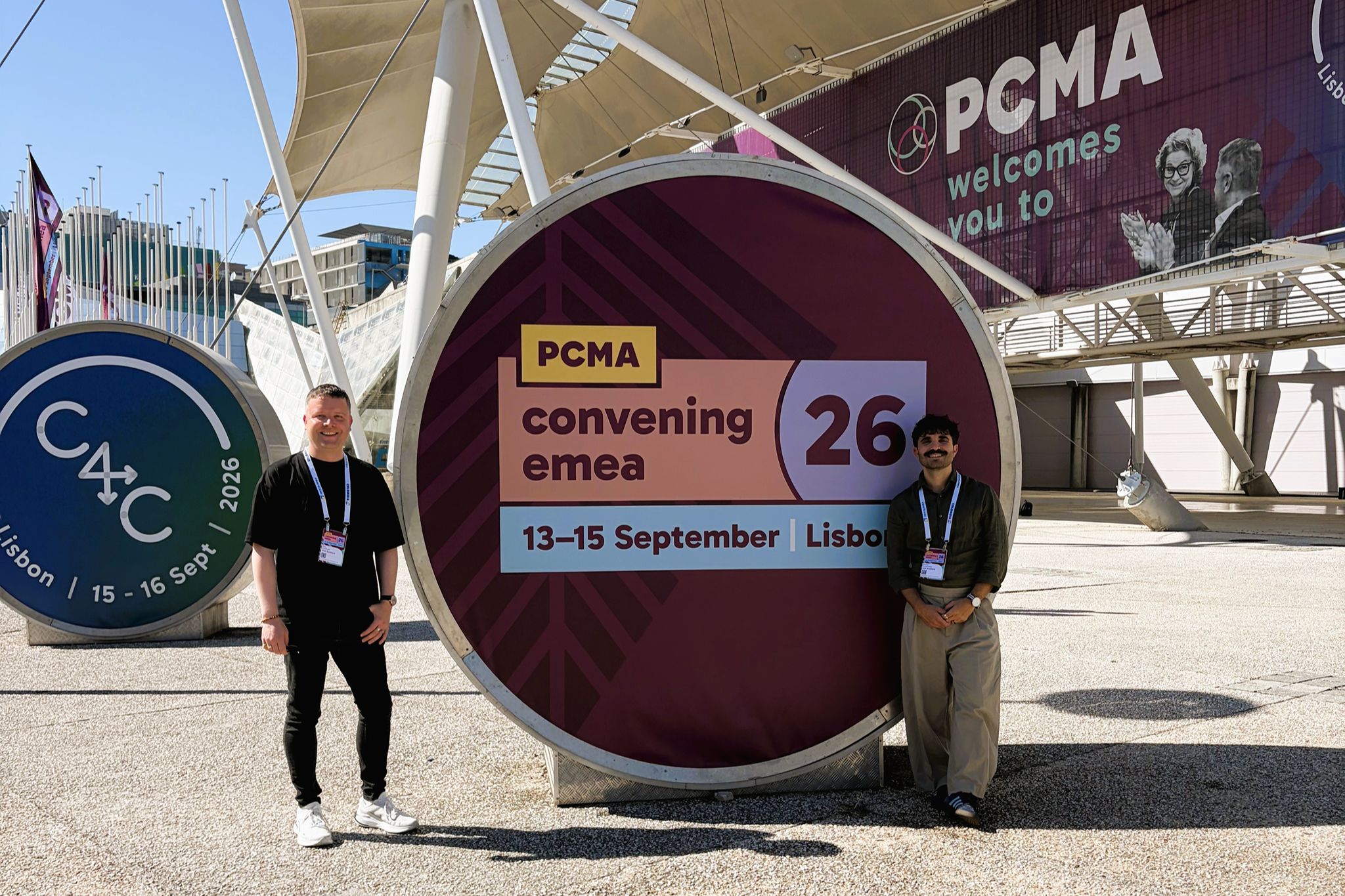
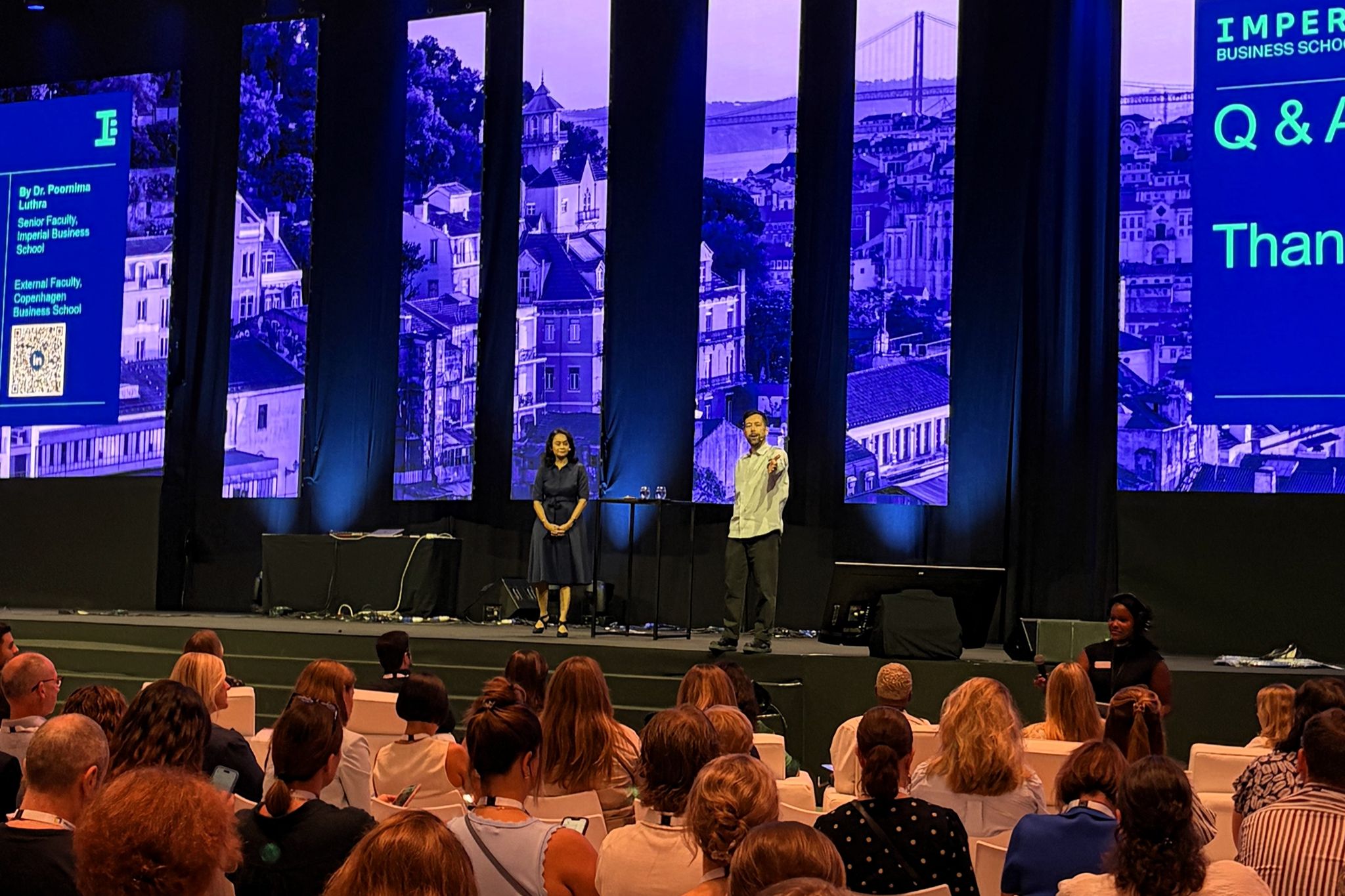
Dr. Poornima Luthra’s session at PCMA Convening EMEA 2026
Leading Through Difference
Dr. Poornima Luthra’s session, Leading Through Difference: Building Trust When Perspectives Are at Odds, highlighted the growing challenge of polarisation and the role leaders play in creating trust across differing viewpoints. The session explored how fear often sits at the heart of resistance to change, difficult conversations and collaboration. Dr. Luthra presented five key leadership qualities for overcoming these barriers: openness, curiosity, vulnerability, courage and resilience.
One of the main takeaways was that effective leadership is not about achieving agreement but about fostering understanding and constructive dialogue. Building trust requires being open to alternative perspectives, asking questions with genuine curiosity, becoming comfortable with discomfort, having the courage to address difficult issues and recognising that meaningful cultural change takes time. The simple prompt, “Tell me more,” stood out as a powerful tool for creating empathetic conversations. For the business events industry, these skills are essential for managing diverse stakeholders, encouraging collaboration and designing events that bring people together through dialogue rather than division.
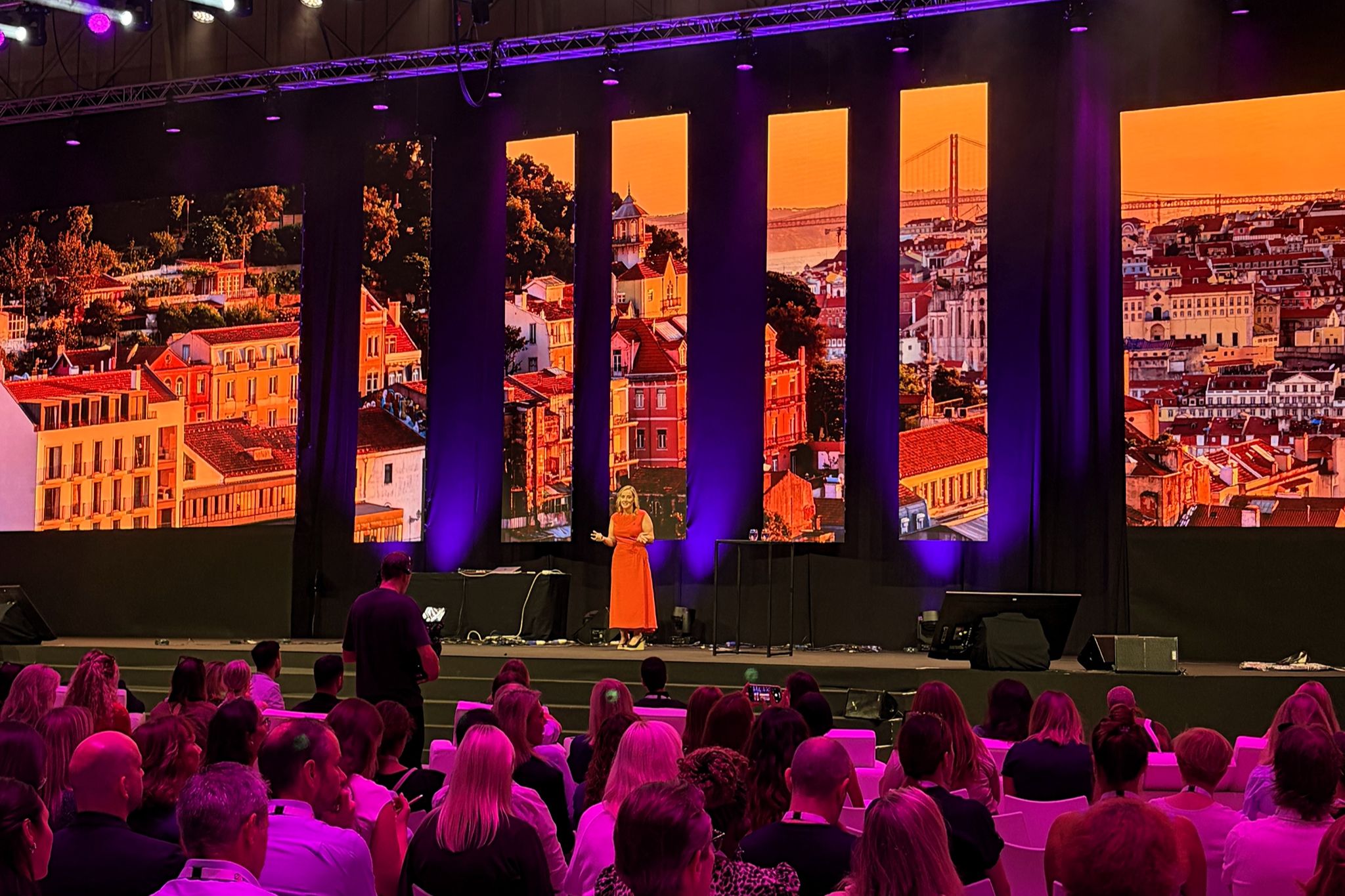
PCMA Convening EMEA 2026 opening
When Good Intentions Aren’t Enough
Attending Tracy Burry’s workshop, When Good Intentions Aren’t Enough: Leading Across Cultural Complexity, reinforced that successful international leadership requires more than cultural awareness. Drawing on Erin Meyer’s The Culture Map, the session explored how cultural differences influence communication, feedback, trust, decision-making, leadership styles, approaches to disagreement and perceptions of time. Through practical examples and interactive exercises, the workshop demonstrated how behaviours that seem normal in one culture can be interpreted very differently in another.
Many misunderstandings arise from unconscious assumptions rather than poor intentions. The session highlighted the importance of adapting leadership and communication styles to different cultural contexts instead of expecting others to work in the same way we do. The concepts of task-based versus relationship-based trust, direct versus indirect feedback, and structured versus flexible approaches to time were particularly relevant. For the business events industry, understanding these cultural dynamics is essential for building stronger international partnerships, improving stakeholder relationships and collaborating more effectively across global teams, clients and communities.
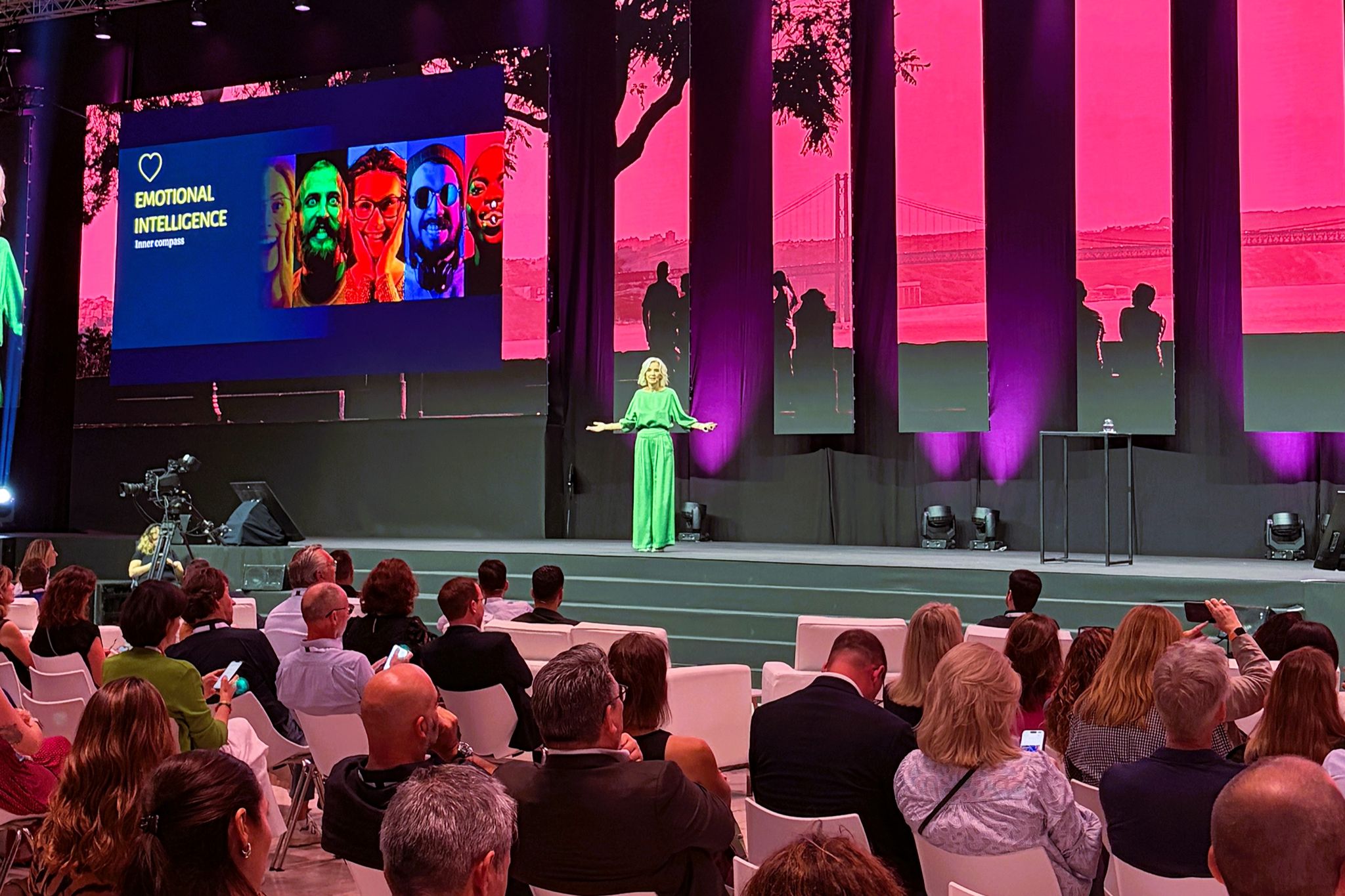
Dr. Elke Geraerts’ session at PCMA Convening EMEA 2026
The Science of Connection
Attending Dr. Elke Geraerts’ session, The Science of Connection: Designing for Belonging in Complex Realities, highlighted how rapid technological advancement, AI, information overload, and constant connectivity are creating what she described as a “hypernervous society.” Drawing on psychology, neuroscience, and behavioural science, she argued that while technology continues to accelerate, the qualities that make us uniquely human are becoming increasingly valuable. The session explored the importance of belonging, psychological safety, emotional intelligence, genuine connection, moral courage, critical thinking, creativity and resilience, collectively described as “authentic intelligence.”
The main takeaway was that the future will not be shaped by those who can process more information, but by those who can create meaningful human connections and environments where people feel safe, valued and able to contribute. Dr. Geraerts also highlighted the risks of cognitive offloading, AI burnout and “brain fry,” reinforcing the need to protect our capacity for deep thinking. One message that particularly resonated was that events should be designed for what cannot be summarised by AI: moments of connection, belonging, and shared experience. For the business events industry, this reinforces that our greatest value lies not in delivering more content, but in creating meaningful human experiences that people remember long after the event ends.
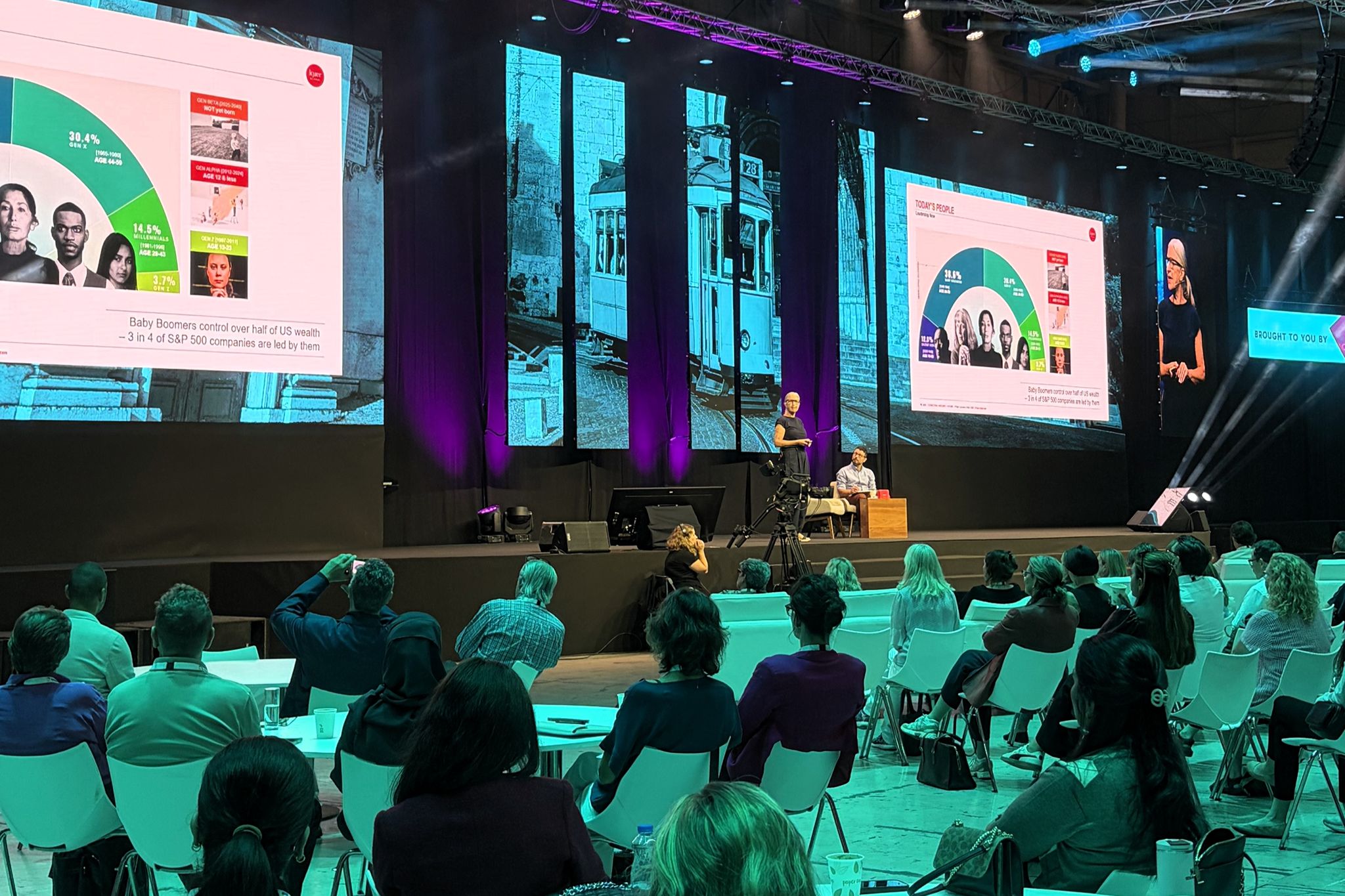
Anne Lise Kjaer’s session at PCMA Convening EMEA 2026
How to See What's Next Before Others Do
Anne Lise Kjaer’s session, How to See What’s Next Before Others Do, highlighted how strategic foresight can help organisations navigate uncertainty by recognising emerging signals, connecting trends and understanding the wider systems shaping the future. Rather than focusing on prediction, the session emphasised developing a future-ready mindset by exploring the interconnected impact of demographic, technological, economic, societal and environmental change. Through frameworks such as the Trend Atlas 2035+ and the 4P Roadmap, Anne Lise demonstrated how leaders can move from insight to action by identifying patterns early and challenging current assumptions.
The session highlighted that successful organisations will be those that balance technological innovation with human-centred values such as trust, collaboration, wellbeing and deep engagement. The session reinforced that the future of events lies in creating meaningful experiences that foster participation, storytelling, community and purpose, rather than simply sharing information. Concepts such as “Time to Think,” “Economics for Humans,” and the rise of the “augmented event marketer” highlighted the need to combine human creativity, critical thinking, and empathy with emerging technologies. For the business events industry, the message was clear, future success depends on building trust, understanding interconnected trends and designing events that help people make sense of an increasingly complex world while creating lasting value for communities and stakeholders.
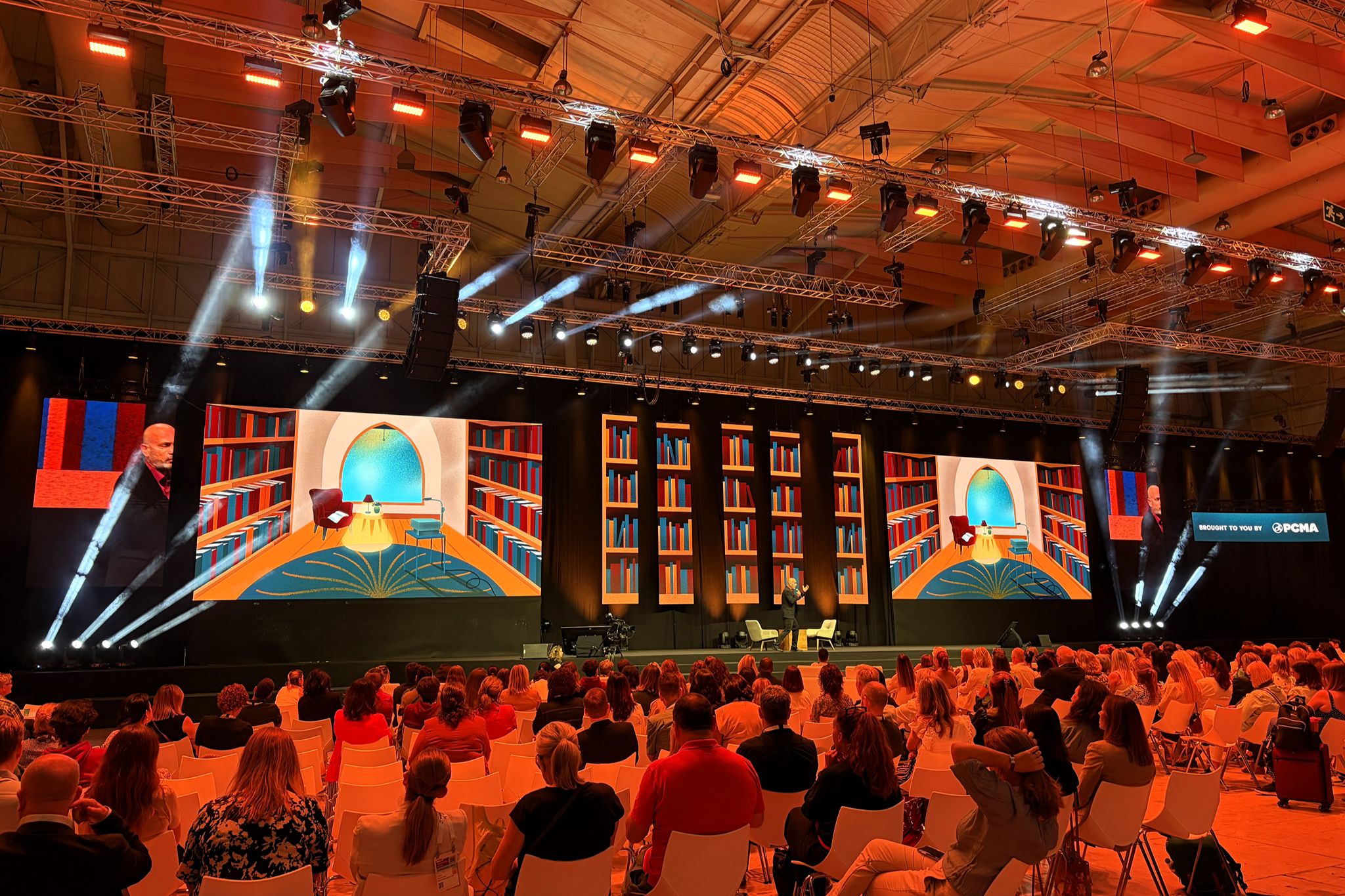
Ronni Abergel’s closing keynote at PCMA Convening EMEA 2026
The courage to stay curious
Ronni Abergel’s closing keynote focused on the impact that assumptions and unconscious biases have on our relationships, decisions and ability to connect with others. Through storytelling and a live Human Library experience, the session demonstrated how quickly people form judgements based on limited information and how those assumptions can create barriers to trust, collaboration and understanding.
The central message was simple but powerful: replace judgement with curiosity. Rather than relying on preconceived ideas, we should take the time to listen, ask questions and seek to understand different perspectives and lived experiences. By creating space between our first assumptions and our responses, we can build stronger relationships, have more meaningful conversations and foster greater empathy.
A meaningful connection starts with curiosity. The session reinforced the importance of listening before judging and remaining open to perspectives that challenge our assumptions. For the business events industry, this is particularly relevant when engaging diverse stakeholders, audiences and communities, as genuine dialogue and understanding are essential for building trust, inclusion and collaboration.